

Construction Survey Steps That Support Each Phase of Community Development
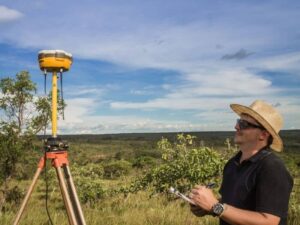
A large community doesn’t rise all at once. It comes up in phases over months or years, each one building on the ground laid before it, and every phase needs its layout to connect cleanly to the last. A construction survey supplies that connective thread, carrying accurate control from the first road through the final lot. When work stretches across time and many builders, the survey keeps each stage tied to a single plan. Lose that thread and later phases drift away from the ones that came first.
Set Initial Control Before the First Phase Opens
A community’s whole layout traces back to its earliest control. Before any roads, utilities or lots take shape, survey work establishes the reference points that every phase will measure from. Setting that control first gives the entire development a common origin.
That early framework carries enormous weight. Every phase that follows leans on those first points, so getting them right matters far beyond the opening stage. Setting the initial control well anchors the years of work ahead.
Stake Infrastructure in the Correct Development Sequence
A community’s bones go in a particular order. Roads, utilities, drainage and pads each need layout at the right time, and staking them out of sequence creates conflicts. A survey supports the proper order, so each system goes in when it should.
That sequencing keeps the build efficient. Utilities staked before the roads that cover them, or pads laid before their drainage, cause rework and delay. Staking in the correct order keeps the phases flowing.
Check Phase Boundaries as Work Expands
A community grows by moving from one phase to the next, and the seams between phases have to line up. As work expands, the survey checks that each new phase connects properly to the completed ground beside it. That check keeps the growing development coherent.
Those boundaries deserve attention because errors there compound. A phase that starts slightly off from its neighbor spreads that gap across everything it contains. Checking the phase boundaries keeps the whole community aligned as it grows.
Support Builder Coordination Across Multiple Lots
A community under construction often hosts many builders at once. Homes and structures rise across dozens of lots, and confusion spreads easily when crews work without a shared reference. Survey work gives builders consistent points, so they build in agreement rather than at odds.
That coordination smooths a busy site. Builders working from the same control avoid the disputes and mistakes that come from measuring off each other’s work. Supporting their coordination keeps the many-lot buildout orderly.
Document Completed Layout for Later Project Stages
Early phases leave a legacy the later ones depend on. Survey records of completed layout give future work a reliable account of what’s already in the ground. That documentation lets later stages connect to earlier ones with confidence.
The value grows as the community fills in. A final phase built years after the first can lean on solid records of what came before, which keeps the connection clean. Documenting the completed layout carries the plan through to handoff.
Frequently Asked Questions
Why does community development need phased construction surveying?
Because different work stages call for different layout support at different times. Staking, checking and connecting each phase keeps the growing community tied to one plan, which a single early survey visit could never accomplish on its own.
Can survey crews help prevent phase-to-phase alignment issues?
Yes. Consistent control lets later phases connect properly to earlier ones, so the seams between stages line up. That continuity is what keeps a multi-phase community from drifting apart.
What gets staked during community development?
Roads, utilities, lot corners, pads, drainage features and common areas all get staked. Each element needs an accurate layout at the right point in the development sequence.
Why is survey documentation useful after a phase is complete?
It helps future work connect to what’s already built. A record of completed layout gives later phases a reliable reference, so they tie into the finished ground cleanly rather than guessing at it.