

What an ALTA Land Survey Can Reveal Before a Buyer Acquires an Industrial Site
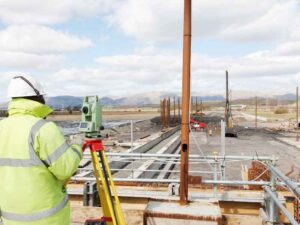
An industrial site can look ready to run on day one. Trucks can pull in. The building looks solid. The price fits the budget. But some of the most important details do not show up on a walkthrough.
An ALTA land survey digs into those details. It combines boundary work with title research to show how the site actually works, not just how it looks from the road.
If you are buying an industrial property, this survey can catch problems that would otherwise show up after the deal closes, when they are much harder to fix.
How Existing Industrial Improvements Fit the Property
Industrial sites often have buildings, loading docks, and outdoor storage areas added over many years. An ALTA land survey checks whether these improvements actually sit inside the property lines.
This matters because industrial buildings sometimes get bigger without an updated survey. A warehouse addition or a paved storage yard might stretch closer to a boundary than anyone realized.
Common problems a survey can catch include:
- A building or dock that crosses onto a neighbor’s land
- Fencing or storage areas that sit outside the recorded boundary
- Structures that were added without matching permit records
Henderson has seen steady industrial growth in recent years. Many sites change hands or get reused for new tenants. Checking that existing improvements match the property record protects you from taking on someone else’s mistake.
Why This Step Cannot Be Skipped
Skipping this check can mean finding out about an encroachment after you already own the property. At that point, fixing it takes more time, more money, and sometimes a conversation with a neighbor you have never met.
Whether Site Access Supports Industrial Operations
Industrial operations depend on reliable access. Trucks need room to turn. Employees need a safe way in and out. Deliveries need a clear path that does not get blocked during busy hours.
An ALTA land survey shows the real access conditions for a site. This includes whether access comes straight from a public road or depends on an easement across another property.
This is worth checking closely. Access that works for a small tenant may not work for a bigger industrial user with lots of truck traffic. Confirm these points before you commit:
- Whether main access is direct or shared through an easement
- Whether the access road can handle the truck size your business needs
- Whether any recorded agreements limit hours or types of use for shared access
Industrial parks and business corridors often share access roads and turn lanes. A survey shows exactly what rights and limits apply to your specific site.
Where Loading, Parking, and Service Areas Are Positioned
Loading docks, parking lots, and service areas need enough space to work well. An ALTA land survey maps these areas exactly, showing how they relate to the property lines, setbacks, and easements.
This step often shows whether a site truly has enough room for planned operations, or whether the current layout was built around old assumptions.
A few things to check on the survey:
- Whether loading dock space lets trucks move without crossing into a setback or easement
- Whether parking spots meet what your business actually needs
- Whether service and utility access points are clear of blockages
For buyers planning to grow operations or add equipment, these details can decide whether a site actually works for the plan or needs costly changes first.
Which Site Features Could Affect Future Expansion
Buying an industrial site often comes with plans to grow. An ALTA land survey helps show whether that growth is realistic based on the site’s real conditions.
This includes checking setbacks, easements, and any recorded rules that limit where new construction can go. It also includes flagging drainage patterns or grading problems that could affect where a new building or paved area can be added.
Growth Considerations
Keeps seeing demand for industrial and flex space. Many buyers purchase sites with future growth in mind. Before counting on that room to grow, confirm:
- How much buildable space is left after setbacks and easements
- Whether utility easements run through areas planned for expansion
- Whether drainage rules limit how much of the site can be paved or built on
Zoning and site rules can vary by parcel and by the City of Henderson’s current planning rules. Confirm expansion plans with the right department before finishing your purchase decision.
What Buyers Should Review Before Finalizing the Acquisition
By the time you reach closing, the ALTA land survey should have answered most of your open questions. A few final checks help make sure nothing gets missed.
Review these items with your surveyor, attorney, and lender before signing:
- All improvements shown on the survey match the property you are buying
- Access rights are written down and match what your business needs
- Loading, parking, and service areas meet your space needs
- Expansion plans account for setbacks, easements, and drainage limits
- Any survey findings that need fixing have been addressed
If your closing timeline depends on financing or permits, bring in your surveyor early. Industrial sites often have more complex boundary and easement history than smaller commercial properties, and that history can take time to sort through the right way.